Hua Hin, once a quiet fishing village, has blossomed into one of Thailand’s most popular seaside destinations, attracting tourists from around the world. This surge in tourism has had a significant impact on the local real estate market, shaping how properties are developed, priced, and marketed. For investors, homebuyers, and renters alike, understanding this dynamic is key to making informed decisions.
In this article, we explore how tourism influences Hua Hin’s real estate market and what that means for you.
1. Increased Demand for Vacation Rentals
The steady influx of tourists creates a strong market for short-term vacation rentals. Many property owners capitalize on this by purchasing condos or villas specifically to rent out through platforms like Airbnb or local rental agencies. This demand often leads to higher rental yields compared to traditional long-term leases.
2. Development of New Residential and Resort Projects
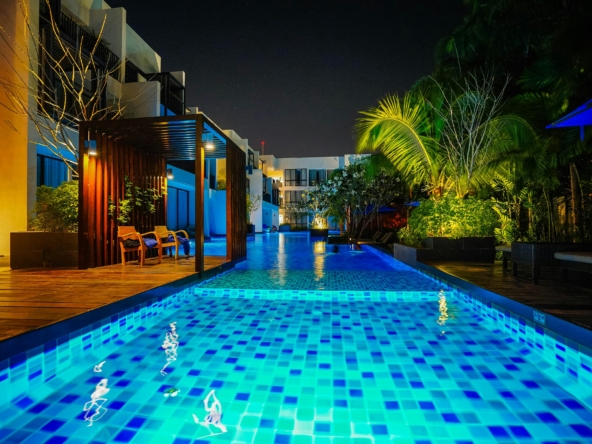
To accommodate the growing number of visitors, developers have launched numerous residential projects, resorts, and mixed-use developments. These projects often feature modern amenities appealing to both tourists and expats, such as swimming pools, gyms, and proximity to the beach. The rise in construction has expanded the housing supply, providing more options for buyers and renters.
3. Rising Property Prices
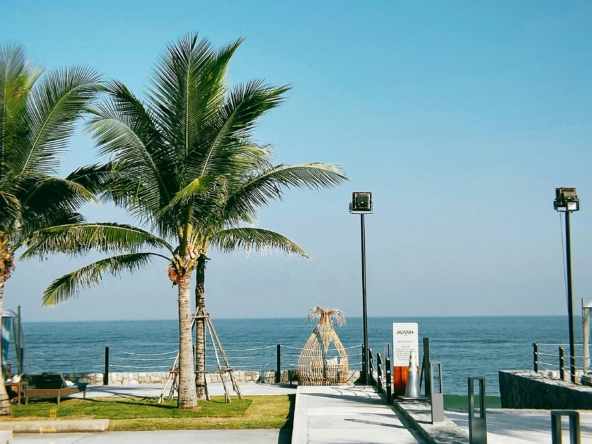
As tourism flourishes, property prices in popular areas, especially near the beach and town center, have seen steady increases. While this benefits existing property owners and investors, it may challenge new buyers seeking affordable options. However, properties further from main tourist hubs often remain more affordable, offering potential value.
4. Shift in Property Types and Buyer Profiles
Tourism’s influence has shifted the market toward condos and serviced apartments, which cater well to short-term visitors. At the same time, villas and houses continue to attract retirees and long-term residents seeking privacy and space. The buyer profile has diversified, including investors targeting rental income and individuals looking for second homes or retirement properties.
5. Economic Boost and Infrastructure Improvements
Tourism revenue contributes to local economic growth, leading to improvements in infrastructure such as roads, airports, and public services. These enhancements increase Hua Hin’s attractiveness as a place to live and invest, potentially boosting property values over time.
6. Seasonal Market Fluctuations
Tourism in Hua Hin is seasonal, peaking in the cooler months. This seasonality affects rental demand and property market activity, with high demand during peak season and slower periods in the low season. Investors and renters should consider this cycle when planning purchases or leases.
Final Thoughts
Tourism plays a vital role in driving Hua Hin’s real estate market, creating opportunities for buyers and investors while influencing pricing and development trends. Whether you’re looking for a holiday home, investment property, or permanent residence, understanding tourism’s impact helps you navigate the market wisely.
Interested in exploring Hua Hin’s property options influenced by tourism trends? Contact us today for expert guidance and tailored listings!